Temple of Caesar
Audio guide in English
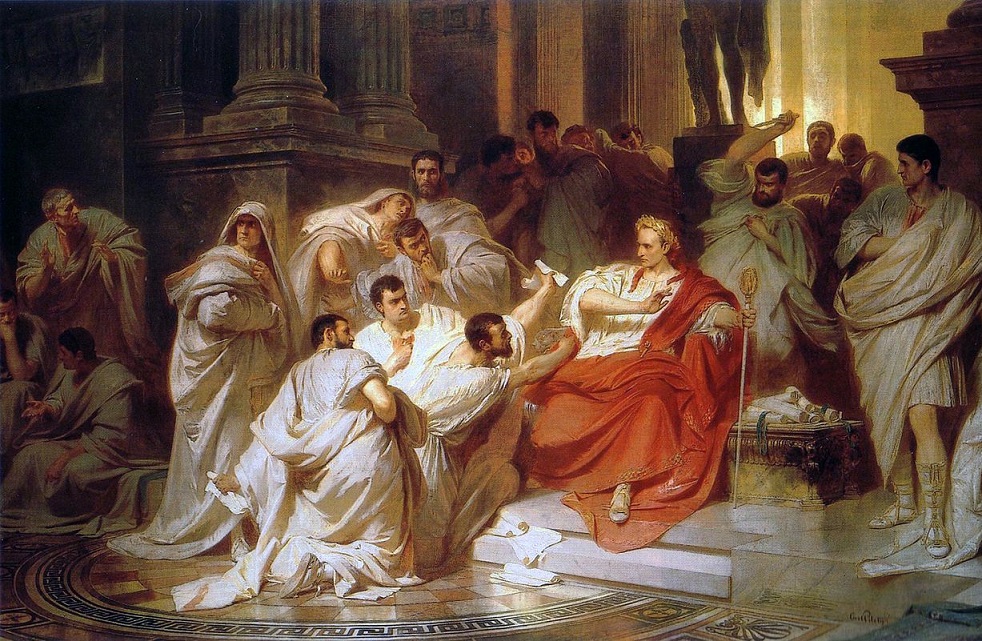
After the assassination of
Caesar in the Curia of Pompey on the Campus Martius, his body was laid out in the Roman Forum.
Mark Antony organized the funeral on March 20. In the Forum, Caesar's body—resting on an ivory couch draped in purple and gold—was displayed within a gilded shrine erected in front of the speakers' platform. His bloodstained toga was displayed on a trophy stand at the head of the couch. The ceremony descended into chaos: two soldiers set fire to the funeral couch, and the crowd piled wood torn from nearby shops—along with anything else at hand—around it to build an apotheosis pyre. Veterans threw their weapons onto the fire, and some women cast in the jewelry they were wearing. A frenzied mob then headed toward the homes of Brutus and Cassius to loot them.
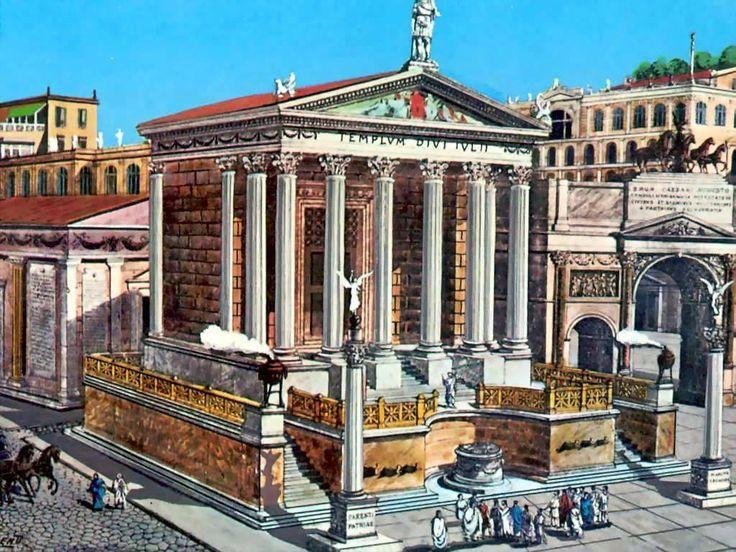
In 42 BC, shortly after the Battle of Philippi, the Senate—at the behest of the Triumvirs (Mark Antony, Octavian, and Lepidus)—ordered the construction of a temple on the site of the destroyed commemorative monuments. Dedicated to the deified Julius Caesar, it marked the first instance of posthumous deification in Rome. As early as 44 BC, a fourth major *flaminate* (priesthood) had been established to oversee the cult of the Divine Caesar; the first *flamen* appointed was
Mark Antony. The temple was dedicated by Octavian on August 18, 29 BC. ...BC, shortly after his victory at the Battle of Actium.
There is only one place in the Roman Forum where you will find fresh flowers every day: on the tomb of Rome’s most famous citizen, Julius Caesar.
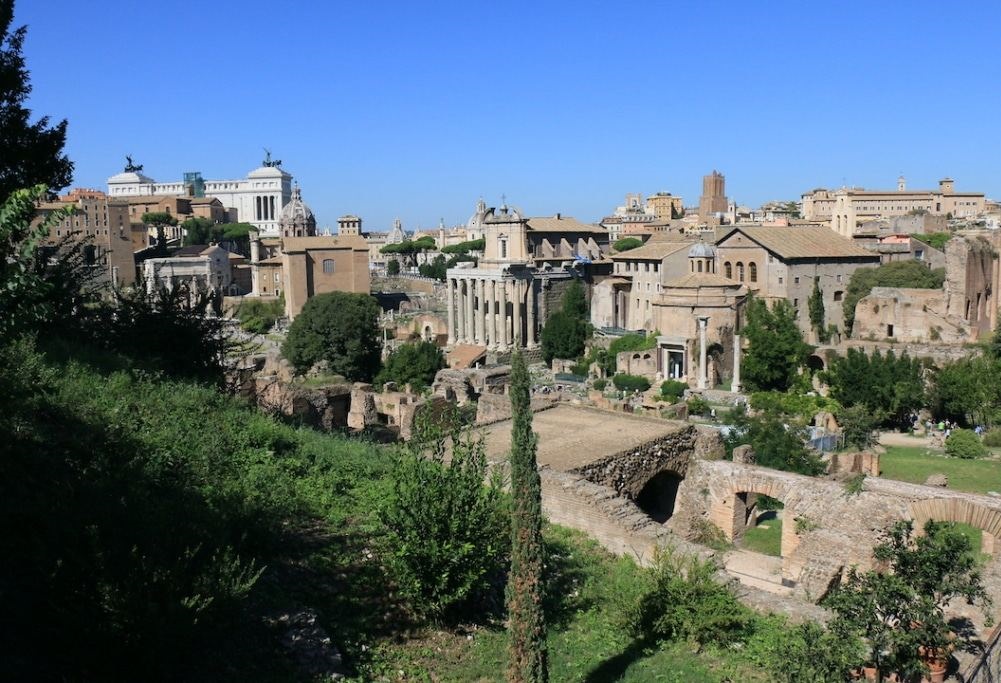
It is not so easy to find this temple amidst the many ruins of the Roman Forum. Indeed, as with most of the monuments there, the way to it is not clearly marked.
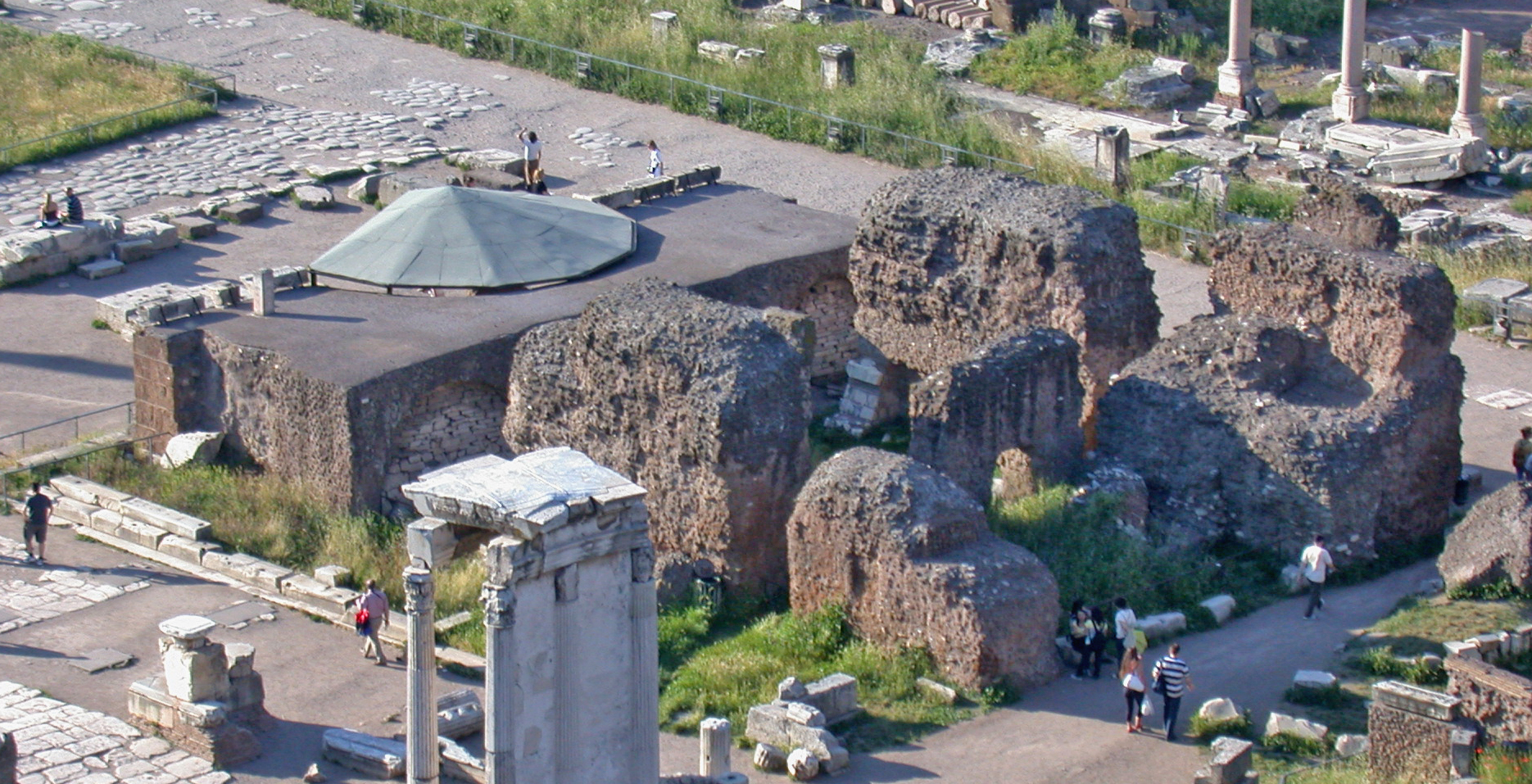
Stroll past the massive Arch of Constantine. Then, walk down the Via Sacra, the Forum’s main road. Behind the columns of the Temple of Vesta and the Temple of Castor and Pollux, you will see a small metal roof and a section of stone wall. That is where you will find all that remains of the Temple of Caesar.
The stonework comes from the base that supported the speakers' platforms. Beneath the roof, you will see what looks like a pile of stones and earth. These are the remains of the altar the Senate placed in front of the temple—an altar that held Caesar’s ashes.
Despite the tomb's ruined state, you will feel connected to a timeless moment in history. After all, this is the tomb of the most famous Roman in history.
The remains of the altar are often covered with coins and flowers, especially when Rome reenacts the Ides of March. I recommend tossing a few coins into the tomb before continuing your tour of the Forum.